

Table of contents
Se ti è mai capitato di arrivare agli ultimi chilometri di una corsa lunga e renderti conto che stai finendo l'acqua, non sei solo.
Molti corridori iniziano ad allenarsi con una borraccia a mano o infilando l'essenziale nelle tasche. Ma man mano che le corse lunghe si allungano, portare acqua, gel energetici, un telefono e altre necessità diventa sempre più scomodo.
È spesso in quel momento che i corridori iniziano a guardare ai gilet idratanti.
Che tu stia preparando una mezza maratona o costruendo la tua prima maratona, il gilet idratante giusto può rendere le corse lunghe più confortevoli, mantenere la tua strategia di alimentazione in carreggiata e aiutarti a concentrarti sui chilometri da percorrere invece che sull'equipaggiamento che porti.
Perché sempre più maratoneti indossano gilet idratanti
Un decennio fa, i gilet idratanti erano per lo più associati agli ultramaratoneti che sparivano tra le montagne per ore.
Oggi li vedrai ovunque.
Nei gruppi locali di allenamento per la maratona.
Durante le corse lunghe del fine settimana.
Alle gare di destinazione.
Anche nelle maratone su strada, dove i punti di ristoro sono abbondanti.
Perché?
Perché l'allenamento moderno per la maratona è cambiato.
I corridori portano telefoni più grandi. Molti seguono strategie di alimentazione personalizzate. Alcuni preferiscono miscele specifiche di elettroliti. Altri si allenano su percorsi senza accesso affidabile all'acqua.
La realtà è che anche se la tua gara prevede punti di ristoro, la maggior parte delle tue corse di allenamento no.
Un gilet idratante ti permette di praticare esattamente come ti idraterai e nutrirai il giorno della gara. Questa coerenza può fare una differenza significativa quando arriva il giorno della gara.

Hai davvero bisogno di un gilet idratante per l'allenamento della mezza maratona?
Non sempre.
Se la tua corsa più lunga è sotto un'ora e hai facile accesso all'acqua, un gilet idratante potrebbe non essere necessario.
Ma una volta che le tue corse di allenamento si avvicinano ai 90 minuti o più, le cose cambiano.
Pensa a una tipica corsa di allenamento per mezza maratona:
- Da 16 a 19 chilometri
- Da 90 minuti a oltre 2 ore
- Diversi gel energetici
- Acqua o elettroliti
- Telefono per sicurezza
Molti corridori inizialmente cercano di mettere tutto nelle tasche dei pantaloncini.
Funziona—per un po'.
Poi arriva il rimbalzo.
Le irritazioni da sfregamento.
La sensazione scomoda del telefono che sbatte contro la gamba a ogni passo.
Un gilet idratante leggero risolve immediatamente questi problemi.
Per la maggior parte dei corridori di mezza maratona, un gilet compatto da 5L offre spazio più che sufficiente senza risultare ingombrante.
Porti con te ciò di cui hai bisogno e ti dimentichi persino che c'è.
È esattamente così che dovrebbe sentirsi un buon equipaggiamento da corsa.
L'allenamento per la maratona è il momento in cui i gilet idratanti danno il meglio di sé
Chiedi ai maratoneti esperti delle loro corse di allenamento più lunghe e sentirai storie.
Corse di venti miglia che si trasformavano in avventure di tre ore.
Mattine estive calde in cui l'idratazione diventava la sfida più grande.
Percorsi di allenamento che sembravano semplici sulla mappa ma senza acqua per chilometri.
Più lunga è la corsa, più prezioso diventa un gilet idratante.
Considera cosa portano molti corridori durante l'allenamento per la maratona:
- 500ml–1,5L di liquidi
- 4–8 gel energetici
- Compresse di elettroliti
- Telefono
- Chiavi
- Guanti leggeri
- Impermeabile
- Documento d'identità e informazioni di contatto per emergenze
Cercare di portare tutto comodamente senza un gilet diventa rapidamente frustrante.
Un gilet idratante ben aderente distribuisce il peso sul torso invece di concentrarlo nelle mani o in vita.
Invece di notare la tua attrezzatura a ogni chilometro, corri semplicemente.

Cosa rende un ottimo gilet idratante da corsa?
Non tutti i gilet idratanti sono uguali.
Alcuni sembrano impressionanti online ma diventano scomodi dopo un'ora.
Altri offrono molto spazio ma rimbalzano eccessivamente quando sono carichi.
Dopo innumerevoli corse lunghe, la maggior parte dei corridori tende a valorizzare le stesse caratteristiche.
Una vestibilità sicura e senza rimbalzi
Questa è probabilmente la caratteristica più importante.
Anche il gilet più leggero diventa fastidioso se si muove ad ogni passo.
Un buon gilet dovrebbe sentirsi stabile sia che tu corra su asfalto liscio o su sentieri tecnici.
L'obiettivo è semplice:
- Carica il gilet.
- Inizia a correre.
- Dimentica di indossarlo.
Accesso facile al carburante
Chiunque abbia frugato in uno zaino cercando un gel mentre corre sa quanto può essere frustrante.
I migliori gilet idratanti posizionano gli oggetti usati frequentemente esattamente dove ti servono.
Le tasche frontali dovrebbero contenere comodamente:
- Borracce morbide
- Gel energetici
- Elettroliti
- Barrette nutrizionali
Meno tempo passi a cercare l'attrezzatura, più rimani concentrato sulla corsa.
La traspirabilità conta più di quanto pensi
L'allenamento per la maratona spesso avviene durante l'estate.
Il calore si accumula rapidamente.
Tessuti pesanti possono trasformare una corsa confortevole in una scomoda.
Un gilet idratante di qualità utilizza materiali in mesh leggeri che permettono il flusso d'aria mantenendo la stabilità.
Dopo diverse ore in movimento, apprezzerai ogni grammo risparmiato e ogni minimo extra di ventilazione.
Gilet idratanti Haimont per l'allenamento alla maratona e mezza maratona
Diversi corridori hanno esigenze diverse.
Ecco perché scegliere la capacità giusta è importante.
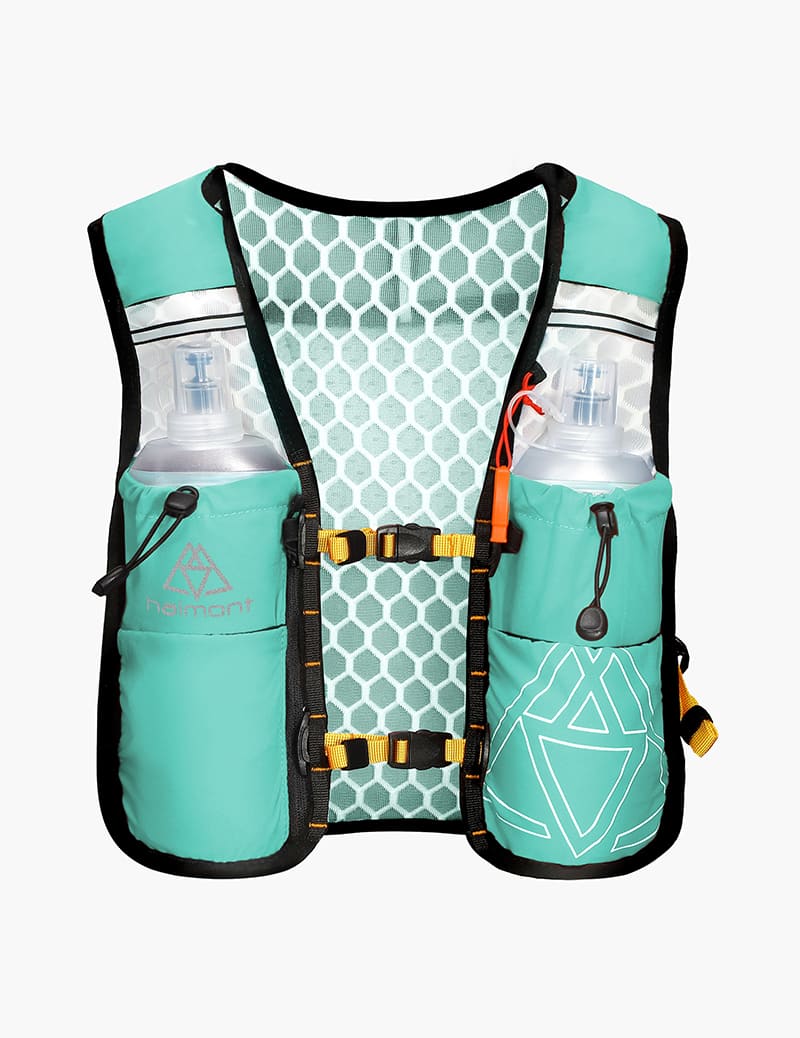
Haimont 5L Gilet per l’idratazione da trail running

Per molti corridori di mezza maratona, questo è il punto ideale.
La capacità da 5L offre abbastanza spazio per:
- Idratazione
- Nutrizione
- Telefono
- Chiavi
- Piccoli essenziali
senza portare ingombri inutili.
Se il tuo allenamento dura tipicamente tra una e tre ore, un gilet leggero da 5L offre tutto ciò di cui la maggior parte dei corridori ha bisogno.
È particolarmente apprezzato dai corridori che passano da una cintura da corsa e cercano spazio extra senza sacrificare velocità o comfort.
Haimont 8L Pro Gilet per il trail running

Per l’allenamento alla maratona, l’8L Pro spesso raggiunge l’equilibrio ideale.
Questa capacità permette ai corridori di portare:
- Nutrizione extra
- Idratazione aggiuntiva
- Strati per il meteo
- Equipaggiamento di sicurezza
mantenendo un fit snello.
Molti corridori scoprono che 8L offrono abbastanza flessibilità per quasi ogni scenario di allenamento.
Che tu stia preparando la tua prima maratona o la decima, è una capacità che raramente risulta limitante.
Haimont Ultra 10L Gilet per l’idratazione da trail running

Lunghe corse in montagna.
Maratone trail.
Allenamenti ultra-distanza.
Queste sono situazioni in cui lo spazio di stoccaggio aggiuntivo diventa prezioso.
Il Ultra 10L Vest offre spazio per l’equipaggiamento obbligatorio da gara, strati extra, sistemi di idratazione più grandi e tutto il necessario per un’avventura di un’intera giornata.
Mentre molti maratoneti su strada potrebbero non sfruttarne mai completamente la capacità, i corridori trail apprezzano spesso la versatilità extra.
È il gilet a cui si ricorre quando la corsa potrebbe trasformarsi in un’avventura.
Gilet per l’idratazione vs cintura da corsa
Questa domanda si presenta spesso.
E onestamente, entrambi hanno il loro posto.
Le cinture da corsa funzionano bene quando:
- Le corse durano meno di 90 minuti.
- L’idratazione non è necessaria.
- Le esigenze di stoccaggio sono minime.
Sono leggeri, semplici ed efficaci.
Ma con l’aumentare della distanza, le limitazioni diventano evidenti.
Le cinture possono rimbalzare.
Lo spazio di stoccaggio diventa limitato.
Il peso si concentra intorno alla vita.
Le opzioni per l’idratazione rimangono limitate.
I gilet per l’idratazione risolvono questi problemi offrendo al contempo una versatilità significativamente maggiore.
Ecco perché molti corridori alla fine fanno la transizione.
Non perché le cinture siano cattive.
Perché le loro esigenze evolvono.
Come dovrebbe calzare un gilet idrico da corsa?
Uno degli errori più grandi che fanno i corridori è comprare un gilet troppo largo.
Un gilet idrico dovrebbe calzare diversamente da uno zaino.
Dovrebbe aderire al corpo.
Sicuro ma non restrittivo.
Adatto ma ancora abbastanza comodo per respirare profondamente.
Quando è regolato correttamente:
- Il gilet non dovrebbe saltellare.
- Le tasche frontali dovrebbero rimanere accessibili.
- Il peso dovrebbe sentirsi distribuito in modo uniforme.
- L’irritazione dovrebbe essere minima.
Prima del giorno della gara, dedica tempo ad aggiustare il gilet durante l’allenamento.
Piccoli aggiustamenti delle cinghie possono migliorare notevolmente il comfort sulle lunghe distanze.

Considerazioni finali
Il miglior gilet idrico da corsa non è necessariamente quello con più spazio o il prezzo più alto.
È quello che scompare una volta che la corsa inizia.
Quello che porta la tua idratazione, nutrizione e l’essenziale senza distrarti dai chilometri davanti a te.
Per molti corridori che si allenano per una mezza maratona, un gilet leggero da 5L è più che sufficiente.
Per la preparazione alla maratona, un gilet da 8L spesso offre il perfetto equilibrio tra capacità e comfort.
E per le maratone trail, le avventure in montagna e gli obiettivi ultra-distance, un gilet da 10L offre la flessibilità per affrontare qualsiasi cosa la giornata porti.
Perché quando sei a diverse ore di corsa lunga, l’ultima cosa a cui vuoi pensare è la tua attrezzatura.
Vuoi concentrarti sul tuo ritmo.
Il tuo respiro.
La strada o il sentiero davanti a te.
E la soddisfazione silenziosa che deriva dal sapere di essere preparati per ogni chilometro.
Domande frequenti
Qual è la taglia migliore di gilet idrico per l’allenamento alla maratona?
La maggior parte dei maratoneti trova che un gilet idrico da 5L a 8L offra spazio sufficiente per acqua, nutrizione, telefono e strati extra senza risultare ingombrante.
Un gilet idrico è necessario per una mezza maratona?
Non sempre. Per le corse di allenamento più brevi potrebbe non essere necessario. Tuttavia, molti corridori trovano utile un gilet idrico per le corse lunghe che superano i 90 minuti.
Quanta acqua dovrei portare durante l’allenamento per la maratona?
La maggior parte dei corridori porta tra 500 ml e 1,5 L, a seconda delle condizioni meteorologiche, della durata della corsa e dell’accesso ai punti di ristoro.
Posso indossare un gilet idrico durante una maratona?
La maggior parte delle gare consente i gilet idrici, ma è sempre consigliabile verificare i regolamenti specifici della gara prima del giorno della corsa.
Un gilet idrico è migliore di una cintura da corsa?
Per le corse più lunghe e l'allenamento per la maratona, molti corridori preferiscono i gilet idrici perché offrono maggiore capacità di stoccaggio, una migliore distribuzione del peso e un accesso più facile all’idratazione e al carburante.