

Table of contents
Children rarely travel light.
Give them a family hike, a junior trail race, or an afternoon outside, and they somehow collect snacks, stones, gloves, and half the forest along the way. Yet the moment they need water, it is usually in a bottle carried by a parent.
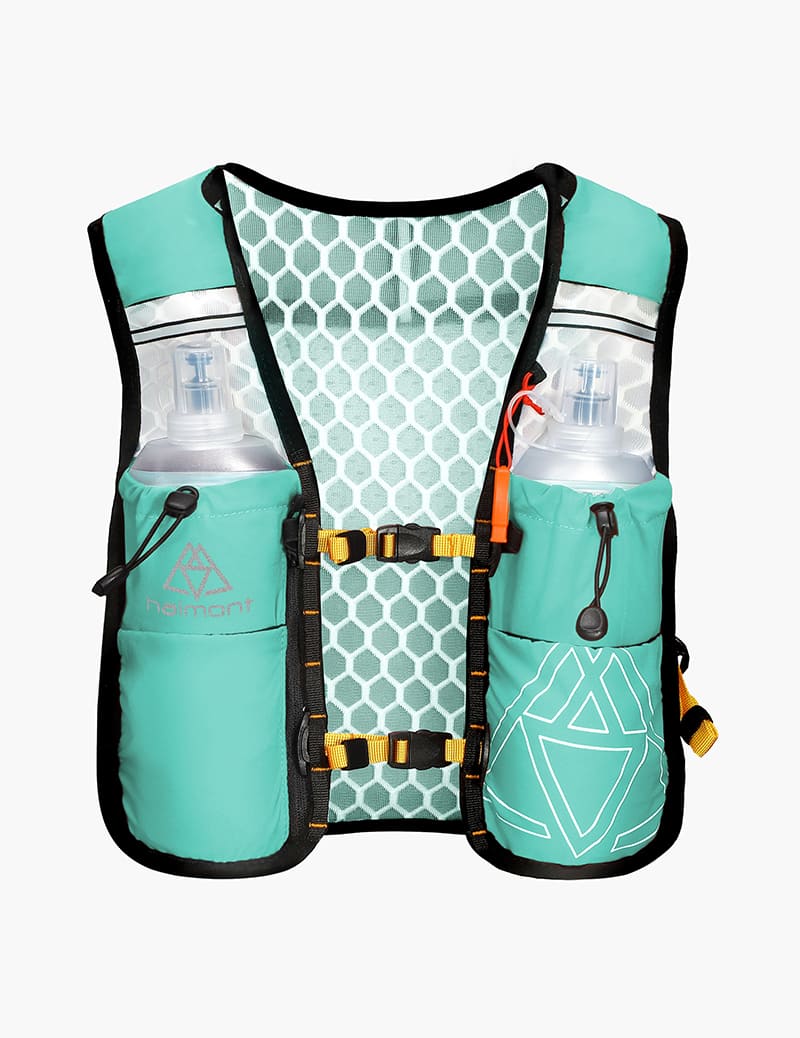
A kid’s running vest gives young adventurers a practical way to carry their own water and a few essentials without the bulk and bounce of an ordinary backpack. Designed to sit close to the body, it moves more naturally with a child while running, hiking, cycling, or exploring outdoors.
The right vest, however, is not simply the smallest version of an adult running pack. Fit, weight, adjustability, accessibility, and comfort all matter—especially for a child who may not notice a rubbing strap until it has already spoiled the day.
This guide explains how to choose, fit, pack, and use a kids' running vest safely and comfortably.
What Is a Kid’s Running Vest?
A kid’s running vest is a lightweight, close-fitting pack designed to carry water, snacks, and small essentials during active outdoor adventures.
Unlike a conventional backpack, which often hangs from the shoulders and shifts from side to side, a running vest wraps more closely around the upper body. Adjustable chest straps help stabilize the load, while front and rear pockets keep frequently used items within easier reach.
The result should feel less like carrying a bag and more like wearing an extra layer.
A well-designed kids' hydration vest usually includes:
- Adjustable straps for a secure fit
- Lightweight, breathable materials
- Front pockets for water or snacks
- Rear storage for a light layer and other essentials
- A hydration system compatible with the vest’s design
- Secure pockets that keep items from moving around

Does Your Child Need a Running Vest?
Not every walk around the neighborhood requires specialized gear. A running vest becomes useful when a child needs to carry water and essentials while remaining active and comfortable.
It may be a good choice for:
- Junior trail runs and races
- Family hikes
- Longer walks
- Outdoor camps
- Cycling trips
- Theme parks and day trips
- Warm-weather adventures
- Activities with limited access to water
There are also times when a vest may be unnecessary. If the activity is short, water is readily available, or an adult is carrying all shared equipment, a child may be more comfortable without one.
The goal is not to make children carry more. It is to help them carry a small, sensible load more comfortably.
Kid’s Running Vest vs. Regular Backpack
Both options can carry water and gear, but they are built for different types of movement.
| Feature | Kid’s Running Vest | Regular Backpack |
|---|---|---|
| Fit | Sits close to the upper body | Usually hangs from the shoulders |
| Movement | Designed to reduce bouncing | May swing or shift while running |
| Water access | Often available from front pockets or a drinking tube | Usually requires stopping |
| Weight | Generally lightweight | Often heavier and more structured |
| Organization | Multiple small, accessible pockets | Usually centered around a main compartment |
| Best use | Running, hiking and active outdoor use | School, travel and carrying larger items |
A regular backpack is still the better tool when a child needs to carry books, bulky clothing, or heavier equipment. For running and other fast-moving activities, though, its extra space can encourage overpacking.
A running vest is designed around a different question: what does the child actually need while moving?
How Should a Kid’s Running Vest Fit?
A kids running vest should fit snugly enough to remain stable without restricting breathing, arm movement, or normal posture.
“Snug” does not mean tight. A child should be able to take a deep breath, swing both arms freely, and bend forward without the straps digging into the body.
Signs of a good fit
After the vest has been packed, check for the following:
- It stays close to the body when the child runs or jumps.
- The shoulder sections do not slide toward the neck.
- The front straps feel secure without pressing into the chest.
- The child can breathe deeply and speak normally.
- There is no pinching beneath the arms.
- The load feels balanced on both sides.
- The vest does not pull heavily backward.
A small amount of movement is normal. Repeated bouncing, sliding, or swinging is not.
Signs that the fit needs attention
The vest may be too large, too small, or incorrectly adjusted if:
- It bounces noticeably with every step.
- A shoulder section keeps slipping.
- The front straps are at their tightest setting but the vest remains loose.
- The child complains about pressure around the neck or underarms.
- The vest rides upward while running.
- Arm movement feels restricted.
- Red marks appear after a short test.
Children grow quickly, so it can be tempting to buy a vest with plenty of room for the future. Some adjustment range is helpful, but an oversized vest that cannot be stabilized will be uncomfortable today—and may spend the next year hanging unused in a closet.

How to Measure for a Kids Running Vest
Do not choose a youth running vest from age alone. Two children of the same age can have very different heights, chest measurements, and torso lengths.
Start by measuring around the fullest part of the child’s chest. Keep the tape level and comfortably close to the body without pulling it tight. If the child will normally wear the vest over a T-shirt or light jacket, take that into account when comparing the measurement with the brand’s size chart.
Then consider torso length and build. A vest may technically fit the chest but still sit too low or rub beneath the arms.
Whenever possible:
- Check the product’s current size information.
- Fit the vest with the clothing the child will normally wear.
- Put some water and gear inside before making the final adjustments.
- Ask the child to walk, run, bend, and jump.
- Listen to what the child says instead of judging the fit by appearance alone.
A vest that looks neat in a photograph may feel completely different once it contains water.
What Capacity Is Best for a Kid’s Running Vest?
For children, a bigger pack is not automatically a more useful pack. Extra space often turns into extra weight.
A compact vest is generally more appropriate when the child only needs water, a snack, and a few small essentials. Larger capacity may be useful for longer hikes or changing weather, but only if the packed weight remains comfortable.
| Activity | Practical Capacity | Typical Contents |
|---|---|---|
| Short runs | 1–3L | Water and a small snack |
| Junior trail events | 2–5L | Water, fuel and required gear |
| Family hikes | 2–5L | Water, snacks and a light layer |
| Outdoor play and travel | Around 3L | Water and personal essentials |
These are practical starting points, not strict rules. Weather, route length, access to refills, and the child’s size all affect what should be carried.
For many everyday outings, a compact 3L kids running vest offers useful space without inviting unnecessary packing. The haimont’s 3L kids hydration vest is designed as a lightweight, secure option for running, hiking, and outdoor play. You can view the current models and product details in the haimont kids running pack collection.
How Much Water Should a Child Carry?
There is no single amount of water that is right for every child or every outing.
Hydration needs vary according to:
- Age and body size
- Temperature and humidity
- Activity intensity
- Time spent outdoors
- Access to refill points
- The child’s individual needs
Route planning should come before filling the vest. A short park run with fountains nearby requires a different setup from a warm-weather trail where the next water source is an hour away.
Avoid loading the vest with the maximum amount of water simply because it can fit. Water is often the heaviest item a child will carry. For younger children in particular, more water can mean more bouncing, more shoulder pressure, and less enjoyment.
Offer opportunities to drink regularly and pay attention to how the child is feeling. Hot weather, long activities, or children with individual health needs may require advice from an appropriate healthcare professional or event organizer.
A hydration vest is a carrying tool, not a replacement for adult planning and supervision.

Soft Flask or Hydration Bladder?
Running vests generally carry water in front-mounted bottles or soft flasks, a rear hydration bladder, or a combination of both. Neither option is automatically best for every child.
Soft flasks
Soft flasks are often convenient for short outings because the child can access water from the front of the vest. Parents can also see how much water remains without opening the back compartment.
They are usually straightforward to fill and clean. However, the flask must fit the vest pocket correctly. If it sits too loosely, it may move as the water level drops.
Hydration bladders
A hydration bladder carries water in a rear compartment and uses a drinking tube routed toward the front. It may be useful when more water is needed, but it requires a little more preparation.
The tube needs to be positioned where the child can reach it easily, and both the bladder and tube must be cleaned and dried thoroughly after use. A full bladder can also add considerable weight, so parents should check the total load before leaving.
Which should you choose?
Soft flasks can be simpler for shorter activities and visible water management. A hydration bladder may suit longer adventures when the vest is compatible, the child understands how to use the tube, and the filled weight remains comfortable.
Before purchasing bottles or a bladder separately, always confirm compatibility with the specific running vest.
What Should Kids Pack in a Running Vest?
A child’s vest should contain the essentials for the actual activity—not every item that might possibly be useful.
A sensible packing list may include:
- Water
- One or two small snacks
- A lightweight jacket or layer
- Tissues
- Sunscreen
- A hat or gloves when appropriate
- An emergency contact card
- Required race or event equipment
Depending on the child’s age and the activity, parents may also consider a whistle, phone, GPS tracker, or small light. These items only help when the child understands when and how to use them.
Keep frequently used items accessible
Water and snacks should be placed where they can be reached without unpacking the entire vest. Less frequently used items, such as a light jacket, can go in the rear compartment.
Balance the load
If one front pocket holds water, avoid filling the other side with something dramatically lighter. Uneven weight may cause the vest to twist or pull across the body.
Leave unnecessary objects at home
Large toys, heavy bottles, loose metal items, and bulky “just in case” gear quickly turn a compact vest into an uncomfortable load. Parents should carry shared emergency supplies and heavier equipment.
There should also be a clear difference between useful treasure and trail treasure. A beautiful stone may come home—but perhaps not five of them.

Safety Features Parents Should Look For
A good running vest for kids should be simple to adjust, comfortable when loaded, and easy for the child to use.
Pay particular attention to:
- Adjustable chest straps: These help stabilize the vest as the child grows or changes clothing layers.
- A close, secure fit: The vest should not swing, bounce, or slide toward the neck.
- Low overall weight: The vest itself should not use up a large part of the child’s comfortable carrying capacity.
- Breathable contact areas: Running creates heat quickly, especially where fabric sits against the back.
- Accessible pockets: Children should be able to reach water and snacks without struggling.
- Secure storage: Zippers, stretch pockets, and closures should prevent small items from falling out.
- Easy-to-use hardware: Straps and buckles should be manageable without being easy to open accidentally.
- Reflective details: These may improve visibility in low-light conditions, although they do not replace proper lighting or supervision.
- Smooth contact areas: Rough seams and bulky edges can create friction around the neck, shoulders, and underarms.
- Suitable hydration compatibility: Any bottle, flask, or bladder should fit securely and work as intended.
No vest can replace appropriate clothing, safe route selection, weather awareness, event rules, or adult supervision.
How to Fit a Kid’s Running Vest Step by Step
Always adjust the vest after packing it. An empty vest may feel stable but behave differently once water is added.
- Load the vest lightly. Begin with the water and gear planned for the activity.
- Place it over the child’s normal activity clothing. Check that the shoulder sections sit comfortably and do not crowd the neck.
- Fasten the chest straps. Position them according to the vest’s design and the child’s comfort.
- Tighten gradually. Alternate between the adjustment points instead of pulling one strap as tight as possible.
- Check breathing and arm movement. Ask the child to take a deep breath and swing both arms.
- Perform a movement test. Have the child walk, jog, jump, bend, and reach.
- Watch the vest, not just the child. Look for bouncing, twisting, straps sliding, or the rear load pulling away from the body.
- Ask specific questions. “Does anything rub under your arm?” is more useful than “Is it comfortable?”
- Readjust after several minutes. Fabric settles, water moves, and children often notice pressure only after they begin exercising.
Show the child how the straps work, but do not encourage constant tightening. Over-tightening can create pressure without solving a poor size or unbalanced load.
How to Prevent Bouncing
Most bouncing is caused by one of four things: the wrong size, loose adjustment, uneven packing, or too much weight.
To keep the vest stable:
- Adjust it while fully packed.
- Place heavier items close to the body.
- Balance bottles and gear from side to side.
- Secure items rather than letting them move inside a large pocket.
- Tighten straps evenly.
- Remove unnecessary weight.
- Recheck the fit as water is consumed.
If the vest still bounces after careful adjustment, it may be too large or the load may exceed what the design can stabilize. Pulling every strap tighter is not always the answer.
How to Prevent Chafing
Chafing usually develops where moisture, movement, and repeated friction meet. Common areas include the neck, shoulders, chest, and underarms.
A few minutes of testing can prevent hours of discomfort.
Before a longer outing:
- Let the child wear the vest on a short walk or run.
- Use a moisture-wicking shirt rather than a rough cotton layer.
- Check that straps are not twisted.
- Keep hard or angular objects away from body-facing pockets.
- Inspect contact areas after the first test.
- Stop and adjust the vest if the child reports rubbing or stinging.
Do not introduce a brand-new vest on race day or at the beginning of a long family hike. Familiar gear is easier to trust—and easier to adjust correctly.
Helping Kids Get Used to a Running Vest
Some children put on a vest and immediately feel like an explorer. Others spend the first ten minutes pulling at every strap.
Start gradually.
Let the child wear the empty vest at home, then add a small amount of water for a short walk. Show them where snacks belong, how to drink, and how to close each pocket. Once those actions feel familiar, increase the distance or load carefully.
Giving children some responsibility can make the vest more appealing. Let them choose between two suitable snacks or decide which small personal item to carry. They are more likely to use the vest confidently when it feels like their gear rather than another item an adult has strapped onto them.
After each outing, ask:
- Did anything bounce?
- Was the water easy to reach?
- Did a strap rub?
- Was anything difficult to open?
- Did the vest feel heavier toward the end?
Those answers are more useful than assuming the setup worked because the child completed the activity.
How to Clean a Kids Hydration Vest
A vest filled with water, crumbs, sunscreen, and sweat should not be left zipped in the back of the car.
After each use:
- Empty every pocket.
- Remove leftover food and wrappers.
- Drain the hydration components.
- Rinse bottles, flasks, or the bladder according to their care instructions.
- Wipe or wash the vest as directed by the manufacturer.
- Leave every component open to air-dry completely.
- Store the vest only when it is clean and dry.
Pay special attention to drinking tubes, bottle caps, and corners where moisture can remain. Check straps, buckles, stitching, and zippers periodically, especially before a race or longer trip.
Avoid high heat unless the care instructions specifically allow it. Excessive heat can damage lightweight fabrics, elastic sections, coatings, and hydration components.
Is a 3L Kids Running Vest Enough?
For many short runs, family hikes, outdoor play sessions, and junior events, 3L can provide a useful balance between storage and manageable size.
It offers space for basic hydration and a few small essentials without giving children a large compartment that is easy to overload. Whether it is enough for a particular outing still depends on the route, weather, refill access, required gear, and the child’s size.
For longer or more remote activities, adults should carry shared safety equipment and any extra supplies the child does not need to access personally.
The haimont kids running pack uses a compact 3L format intended to help young adventurers carry hydration and essentials during running, hiking, and outdoor play. Review the current product details and sizing before choosing the right setup for your child.
FAQs
At what age can a child wear a running vest?
There is no universal minimum age. The vest must fit the child correctly, the packed weight should be manageable, and the child should be able to use it comfortably under appropriate adult supervision.
Should I choose a running vest based on age?
No. Use the child’s measurements and the brand’s current size chart. Children of the same age can have very different chest sizes, torso lengths, and builds.
What should a child carry in a running vest?
For a typical outing, a child may carry water, a small snack, a lightweight layer, tissues, and an emergency contact card. The exact list should match the weather, route, activity, and child’s ability.
How do I stop a kids running vest from bouncing?
Start with the correct size, adjust the vest after packing it, balance the weight, secure loose items, and remove unnecessary gear. If bouncing continues, the vest may be too large or overloaded.
Can a kid’s running vest be used for hiking?
Yes. A lightweight kids running vest can work well for family hikes when the child only needs to carry water and a few small personal essentials.
Ready for the Next Adventure?
The best kids running vest is not the one with the most pockets or the largest capacity. It is the one a child can wear comfortably, use confidently, and forget about once the adventure begins.
Choose the size from actual measurements. Keep the load light. Test the vest close to home. Adjust it after adding water, and pay attention to what the child says along the way.
Get those details right, and a running vest becomes more than a place to store a drink. It gives young runners and hikers a small but meaningful sense of independence—while keeping the snacks out of your pockets.
Explore the lightweight 3L options in the haimont kids running pack collection and help your young adventurer carry hydration and essentials more comfortably.