


Table of contents
Trail running is booming in the U.S. According to the SFIA's 2024 Top Engagement Report, the number of Americans participating in trail runners grew 12.3% in just one year. Amid this surge, the Desert RATS Trail Running Festival by UTMB stands out, offering smooth, well‑paced trails that still test endurance, pacing, gear choice, and mental grit, which is a perfect stepping stone before tougher UTMB trails or 100‑mile goals.
Whether you’re preparing for your first Desert RATS or aiming to improve your performance, this guide gives actionable tips for registration, training, gear, race strategy, and recovery.

What Kind of Race is Desert RATS?
The Desert RATS Trail Running Festival usually takes place in April. In 2026, the event is scheduled for April 9–12 around Fruita, Colorado, USA, and is an important stop on the UTMB® World Series in North America.
Race Distance Options
The race normally includes multiple distances (subject to official release):
- 10K
- 21K
- 50K
- 100K
This range is really runner‑friendly:
- Short distances are great for your first taste of trail racing or experiencing UTMB organization standards.
- 50K is the most valuable training distance — a key bridge from road marathons to long trail races.
- 100K challenges every aspect of your trail skillset: day/night segments, pacing, fueling, and mental strength.
Course and Environmental Traits
From a terrain and experience perspective, Desert RATS has a few distinct traits:
- Mostly singletrack: Technical terrain demands rhythm control more than raw speed.
- Rolling plateaus: Elevation gain isn’t extreme, but it’s constant and energy‑sapping.
- Sandy and rocky footing: Gravel, dust, and loose surface require stable trail shoes and solid footwork.
- Big day‑to‑night swings: Warm days can turn to chilly nights fast — plan layers accordingly.
This isn’t a race won on raw horsepower. It’s won by smart pacing, solid energy management, and strong self‑discipline.
Sign‑Up Window
Registration for Desert RATS follows the usual UTMB rhythm:
- Priority registration typically opens in June the year before and runs for ~50 hours.
- General registration follows once priority spots are filled.
Priority access usually goes to:
- Those with a valid UTMB Index
- Past Desert RATS or UTMB finishers
- Official newsletter subscribers or specific partner channels
Registration Tips
Many runners overlook this step — but registration is your start line for preparation.
Here’s how to make it work in your favor:
- Create your UTMB / MyUTMB account early and subscribe to Desert RATS notifications.
- Complete your profile ahead of time to avoid last‑minute form fills.
- Log in as early as possible on the day of registration; avoid last-minute actions.
- If your target is 50K or 100K, don't hesitate to register, as these distances are usually the first to sign up.
- If you miss the first wave, monitor for waitlist opportunities or released spots.
How to register
If you are ready for the challenge, you can choose the race that suits you through the official Desert RATS registration page.
Choosing the Right Distance
For Beginner Trail Runners
If you:
- Have a half‑marathon or marathon background
- But limited experience on trails or technical terrain, then 21K or 50K is your best bet.
- 21K lets you ease into trail racing without pushing too far into fatigue.
- 50K gives you a full dose of pacing strategy, aid station planning, hydration bladder use, and mental fluctuation, but with manageable risk.
For Experienced Runners
If you've completed multiple 50Ks or similar trail races, 100K is a strategic next step:
- Elevation gain is steady, letting you focus on pacing and fueling rather than pure climbing skill.
- Night segments are beginner‑friendly compared to harder 100‑mile courses.
- UTMB series aid stations and course support make it a smart first 100K target.
Core principle
Your race should build your ability, not just prove it.

Training Prep: Build the Core
Desert RATS isn't about brutal climbs. But it does test:
- Aerobic endurance — the ability to stay moving for hours
- Energy management — keeping your engine fueled without bonking
- Rhythm stability — maintaining steady effort through shifting terrain
Runner behavior trends can guide your training. According to a 2025 ATRA survey, about 69% of trail runners plan to participate in 1–5 races per year, while roughly 5% aim for 10 or more. This shows that many runners treat trail running as a season-long goal, not a one-off event, making structured training crucial.
Essential Training Focus
- Establish a stable weekly mileage base
- Long, steady efforts at easy to moderate intensity
- Specific sessions on elevation gain and downhill technique
The core of off-roading is endurance and rhythm, not short bursts of speed.
Gear Prep - Fit > Flash
Gear isn’t about looking pro. It’s about function, fit, and consistency.
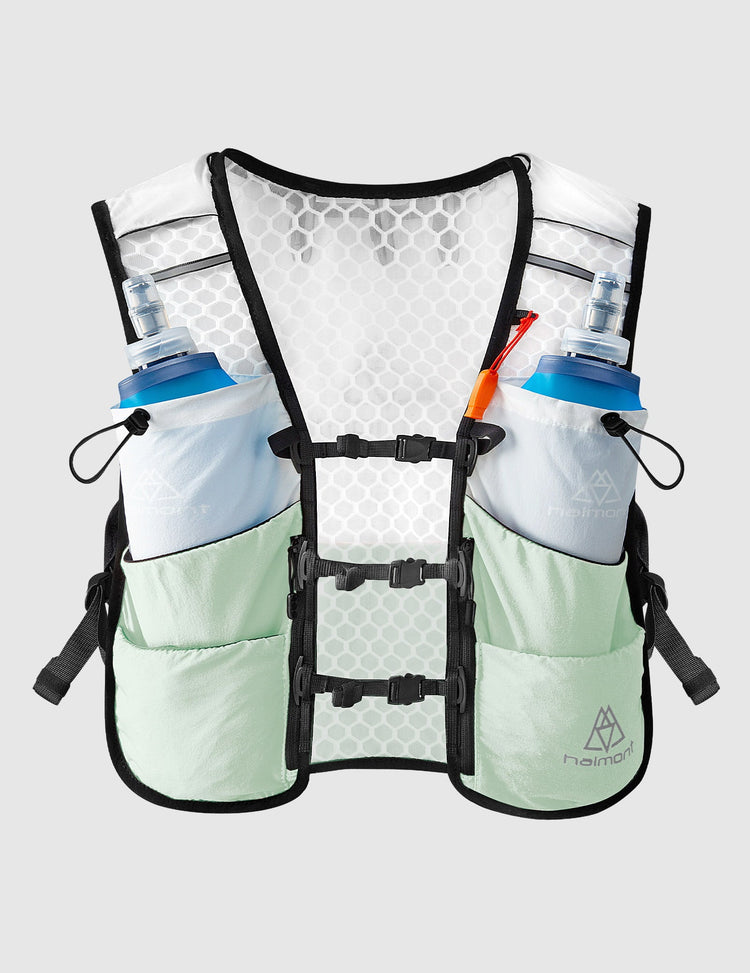
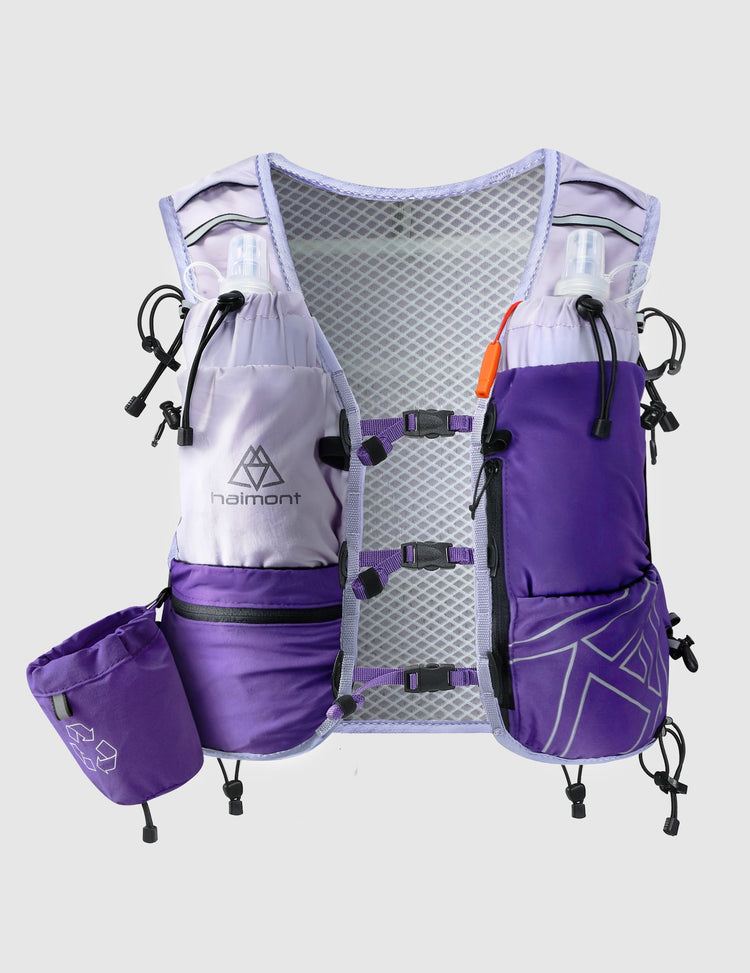
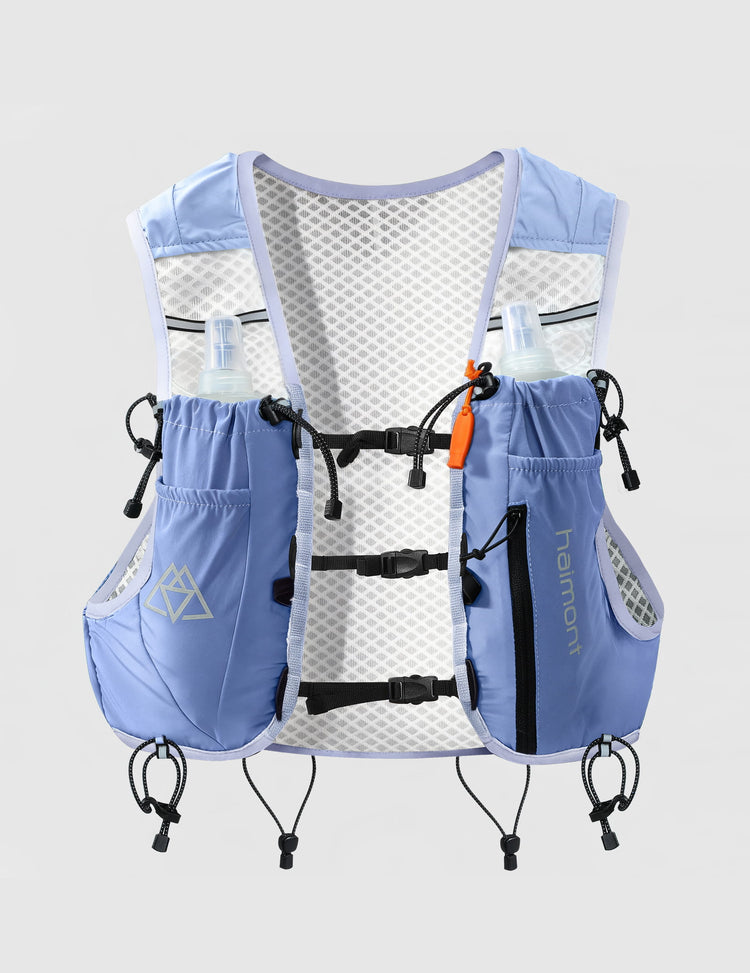
Hydration Vest: Your Second Body
Your hydration vest is almost as important as your legs. A good hydration vest pack or hydration bladder system affects your comfort and aid station strategy directly.
Key points:
- Capacity: ~5–8L for 50K; 10L+ for 100K
- Fit: stable, no bouncing; shoulder and chest straps snug but comfortable
- Pocket layout: easy access to gels, electrolytes, and bottles on the go
Pro tip:
Use your race pack during training — at least two long runs of 3+ hours — to confirm comfort, fit, and pocket usability.
Clothing System: Smart Layers > Light Layers
In a race with sand, rock, heat, and cold, your clothing system needs versatility more than lightweight bragging rights.
Bottom: The Unsung Hero
Trail shorts or tights are more than “just clothes.” Over long hours, tiny issues like friction or sweat buildup become big distractions.
Your bottoms should:
- Stay stable without sliding, rolling, or chafing
- Use panels that resist rubbing through long climbs and descents
- Offer fast moisture evacuation so you stay dry longer
- Provide enough storage for quick‑grab items
The best trail shorts are the ones runners forget they’re wearing — dialed fit, lightweight feel, and low friction that stays comfortable hour after hour. Haimont trail running shorts, including women’s 2-in-1 styles and men’s running shorts, are built around this principle, so you can focus on terrain and pace, not seams or adjustments.


Top: Dynamic Temperature Control
Think of your upper layers as a temperature management system:
- Base layer: next‑to‑skin comfort and sweat-wicking
- Primary layer: every day race shirt — moves moisture, breathes through technical terrain
- Shell layer: lightweight windbreaker or warm layer — packs small but saves many hard miles when temps drop
Smart layering is about temperature control, not bulk. A well-balanced three-layer system allows trail runners to adjust to changing race conditions without interrupting pace or comfort.
Field-tested performance gear, such as haimont men’s and women’s trail running short-sleeve tops, helps keep you dry, breathable, and unrestricted throughout long-distance efforts—so you stay focused on the trail, not your clothing.
Footwear & Accessories: The Details That Save Miles
- Trail shoes: good grip for sandy/rocky terrain + balanced cushioning
- Socks: avoid cotton; mid‑thickness for comfort and blister prevention
- Anti‑chafe products & blister kits: essential on longer runs
- Hydration bladder or soft flasks: fill between aid stations, maintain hydration without crowds
- Hat/Visor: sun protection + sweat management
A smart gear setup lets you stay in flow, not distracted by discomfort.
Race Day Strategy: Spend Energy Where It Counts
Pacing Principles
- First 30% of the course: Controlled your exertion
- Uphills: Pay attention to your heart rate or breathing, not pace
- Downhills: keep it smooth, going too fast can have serious consequences later on
Fueling & Hydration
- Take in steady carbs/hour
- Don’t wait until you feel hungry (classic bonking setup)
- Know spacing between aid stations and plan fluid + calories accordingly
Mental Game
Expect low patches. When they hit:
- Break the course into smaller chunks
- Focus on the “next 45 minutes,” not the full distance
- Stay positive — your body usually trails your mindset
Post‑Race Recovery and Review
Your real gains happen after the race:
- Focus on recovery within 48 hours after the match
- Avoid high-intensity training for one week
- Record the gains and losses in equipment, supplies, and rhythm
Every race should leave you better prepared for the next one.

The Desert RATS Trail Running Festival isn’t a playground to flex bragging rights — it’s a real‑world growth platform. From beginner trail runners finding their footing to experienced athletes sharpening consistency, this race helps refine power, pacing, and confidence.
Are you ready? By engaging in this competition, you will gain valuable experience and growth.


